10 October 2026
Do famous chess traps actually work? Eleven of them, checked by Stockfish
Every trap is a bet. We measured eleven famous ones with Stockfish: what each costs you if your opponent knows it, and what it wins if they fall in.
Every trap is a bet
A trap is a move that hopes. It is usually not the best move on the board, and it is played because the opponent might answer it badly. Trap videos show the second half of that sentence, the opponent falling in, and almost never the first: what it costs when they do not.
So we asked Stockfish three questions about each trap, always from the side of the player who sets it. How good was the position if you had simply played the engine's move instead? How good is it after the trap, against someone who answers correctly? And how good is it if they fall in? The answers are given as a chance of winning, the same scale the game review on this site uses, where 50% is level.
All eleven, from free to expensive
| Trap | Costs you | Your chance if they know it | …if they fall in |
|---|---|---|---|
| Légal's Mate | nothing | 66% | mate |
| Lasker Trap | nothing | 53% | 87% |
| Noah's Ark Trap | nothing | 50% | 72% |
| Fried Liver Attack | nothing | 52% | 59% |
| Elephant Trap | nothing | 47% | 79% |
| Siberian Trap | nothing | 48% | 75% |
| Scholar's Mate | 4 points | 48% | mate |
| Blackburne Shilling Gambit | 7 points | 41% | 54% |
| Stafford Gambit | 8 points | 38% | 79% |
| Fishing Pole Trap | 10 points | 39% | 73% |
| Englund Gambit trap | 10 points | 37% | 82% |
"Costs you" is how much winning chance the trap gives up against a prepared opponent, compared with the engine's own move. Anything under two points is inside the engine's own margin, and is shown as nothing.
The free ones: set them every time
The best traps are not tricks at all. They are good moves that happen to leave the opponent one natural-looking way to go wrong. If they do not take it, you have lost nothing.
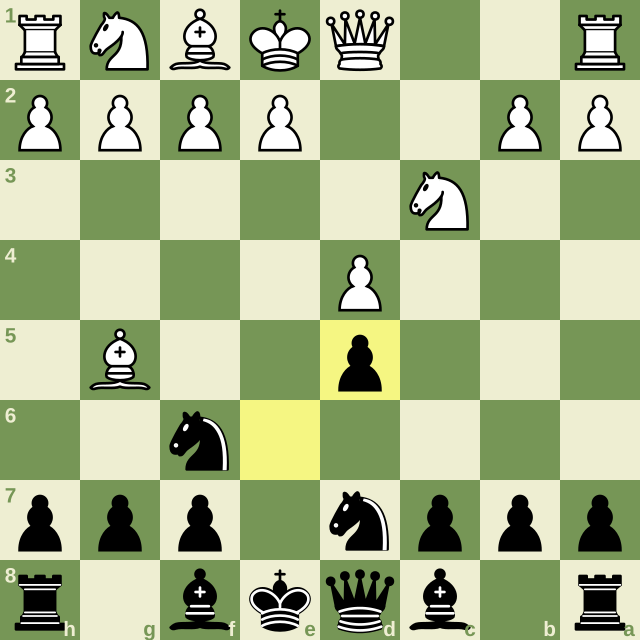
- Played normally
- 48%
- the engine prefers 4…Be7
- If they know it
- 47%
- they answer 6.e3
- If they fall in
- 79%
- they play 6.Nxd5
Black's chance of winning, Stockfish 18 at depth 22. The opening page.
The Elephant Trap is the purest example. 4…Nbd7 is an ordinary developing move in the Queen's Gambit Declined. It just happens to make the pawn on d5 look loose, and a player who takes it with the knight loses a piece to a check on b4.
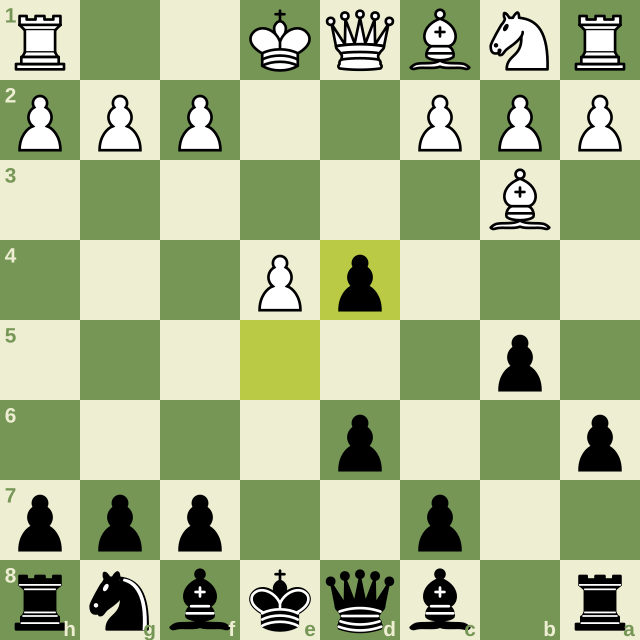
- Played normally
- 50%
- the trap move is the engine's own choice
- If they know it
- 50%
- they answer 8.c3
- If they fall in
- 72%
- they play 8.Qxd4
Black's chance of winning, Stockfish 18 at depth 22. The opening page.
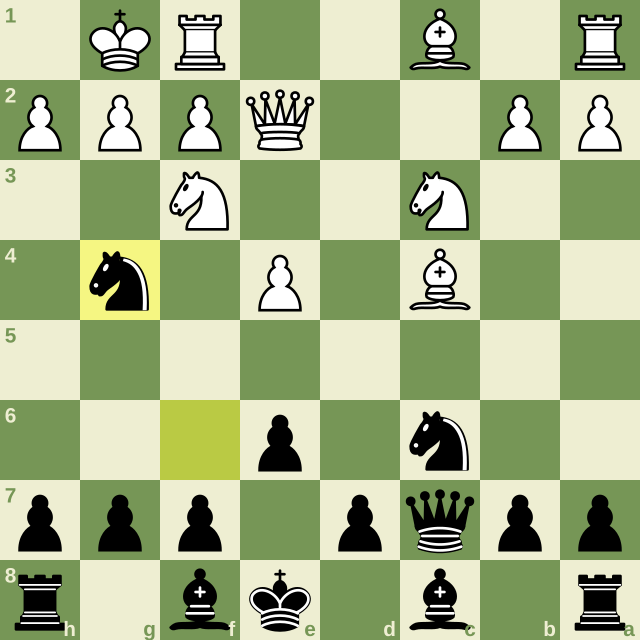
- Played normally
- 50%
- the engine prefers 8…d6
- If they know it
- 48%
- they answer 9.Rd1
- If they fall in
- 75%
- they play 9.h3
Black's chance of winning, Stockfish 18 at depth 22. The opening page.
The Siberian Trap catches the gambiteer rather than the defender. White's 9.h3 is the natural answer to the mate threat on h2, and it is the losing one. 9.Rd1, giving the king a square on f1, keeps the game level.
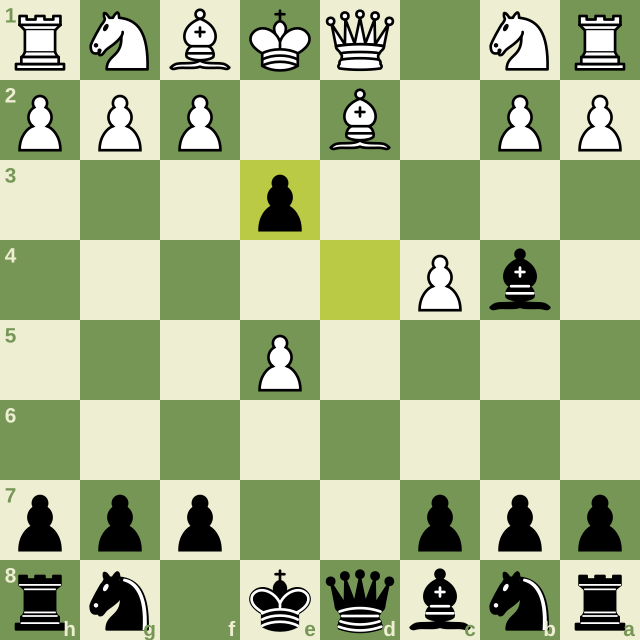
- Played normally
- 52%
- the trap move is the engine's own choice
- If they know it
- 53%
- they answer 6.fxe3
- If they fall in
- 87%
- they play 6.Bxb4
Black's chance of winning, Stockfish 18 at depth 22.
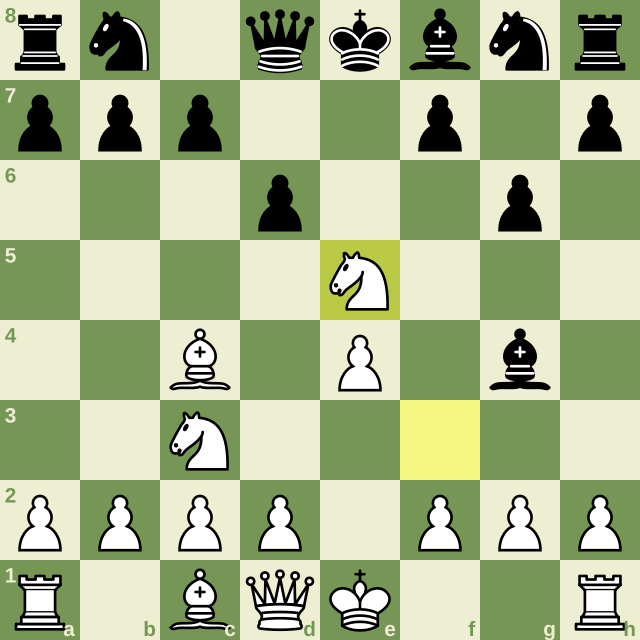
- Played normally
- 65%
- the trap move is the engine's own choice
- If they know it
- 66%
- they answer 5…dxe5
- If they fall in
- mate
- they play 5…Bxd1
White's chance of winning, Stockfish 18 at depth 22. The opening page.
Légal's Mate goes one better: by the time Black has played the careless 4…g6, taking on e5 is simply the strongest move, trap or no trap. Taking the queen with 5…Bxd1 walks into mate in two.
The famous ones that pay less than you think
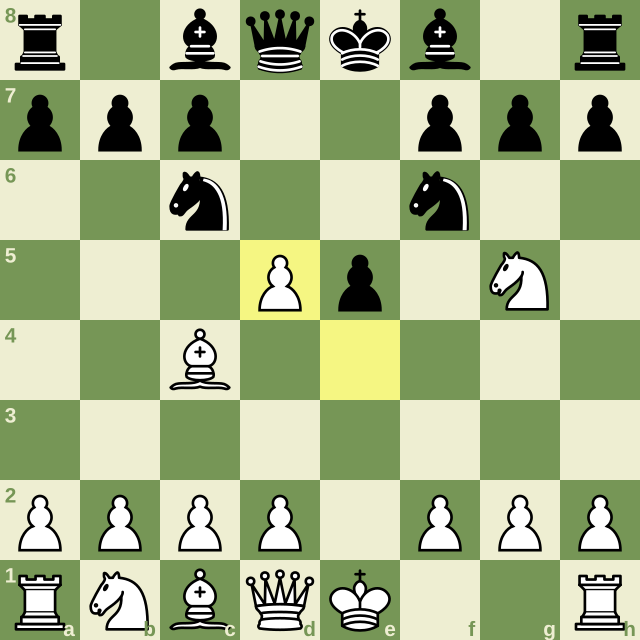
- Played normally
- 52%
- the engine prefers 4.d3
- If they know it
- 52%
- they answer 5…Na5
- If they fall in
- 59%
- they play 5…Nxd5
White's chance of winning, Stockfish 18 at depth 22. The opening page.
The Fried Liver is the trap everybody learns first, and the engine is unimpressed by it. 4.Ng5 costs nothing, but when Black does recapture on d5 with the knight and White sacrifices on f7, White is about a pawn better: an attack worth playing, not a won game. The defence, 5…Na5, keeps the game level.
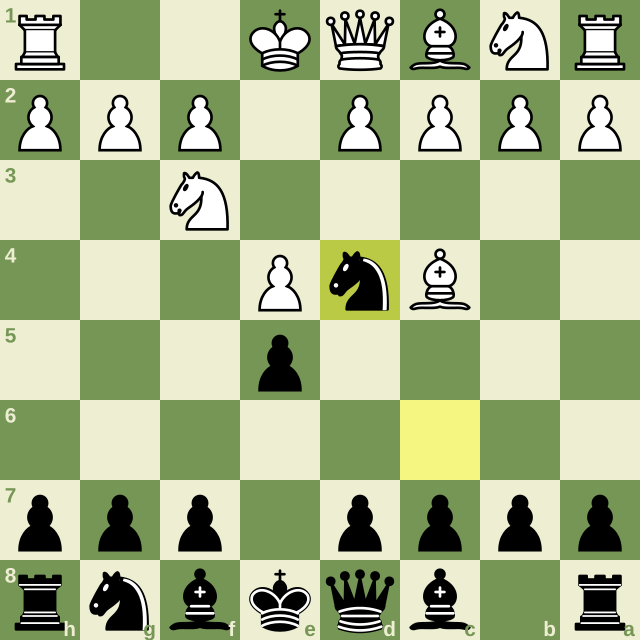
- Played normally
- 48%
- the engine prefers 3…Nf6
- If they know it
- 41%
- they answer 4.Nxd4
- If they fall in
- 54%
- they play 4.Nxe5
Black's chance of winning, Stockfish 18 at depth 22. The opening page.
The Blackburne Shilling Gambit is famous for a mate on move seven. But taking the pawn on e5 is not what loses: after 4…Qg5, White castles and the position is close to level. The mate only comes if White also grabs on f7. Meanwhile 3…Nd4 itself costs Black real winning chance against anyone who simply takes the knight on d4.
The gambles
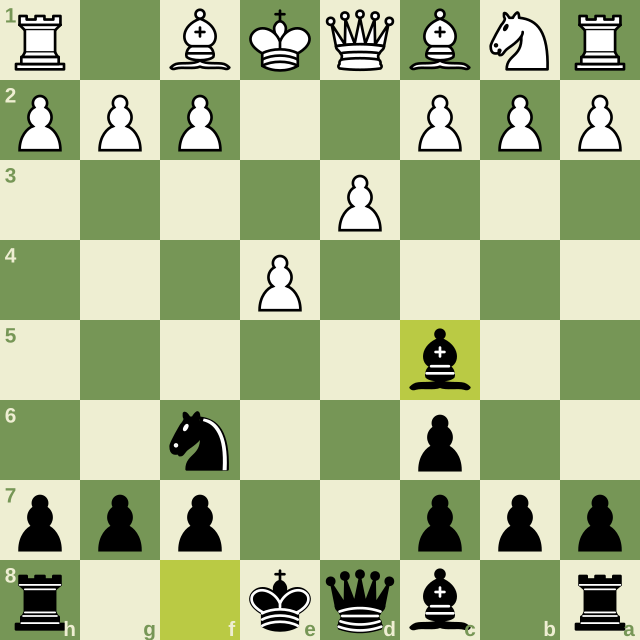
These traps work, spectacularly, when they work. Each of them also hands a prepared opponent a clearly better game, so they are a bet on who is sitting across the board.
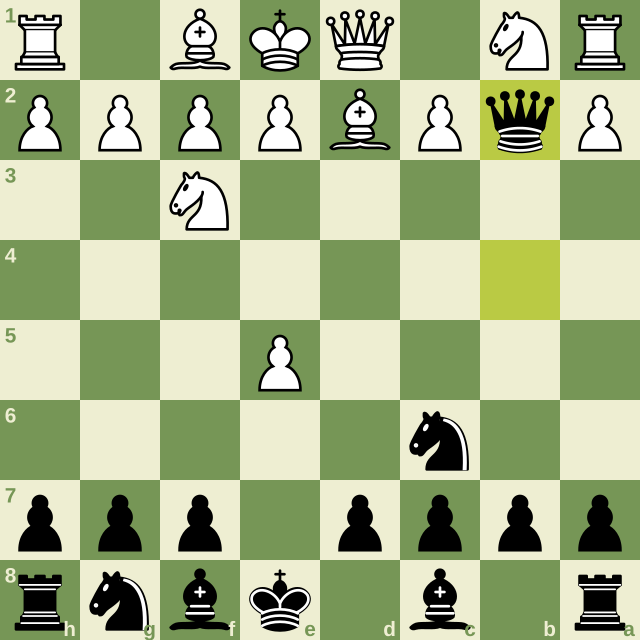
- Played normally
- 47%
- the engine prefers 1…d5
- If they know it
- 37%
- they answer 6.Nc3
- If they fall in
- 82%
- they play 6.Bc3
Black's chance of winning, Stockfish 18 at depth 22.
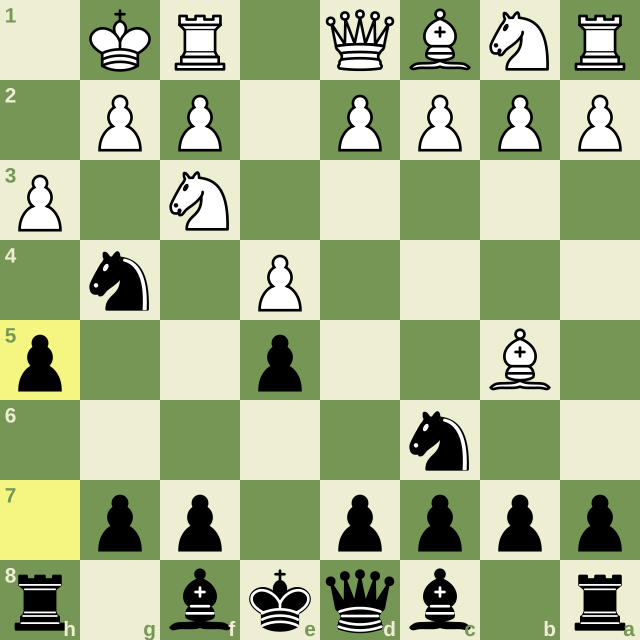
- Played normally
- 46%
- the engine prefers 3…d6
- If they know it
- 38%
- they answer 6.Be2
- If they fall in
- 79%
- they play 6.Bg5
Black's chance of winning, Stockfish 18 at depth 22. The opening page.
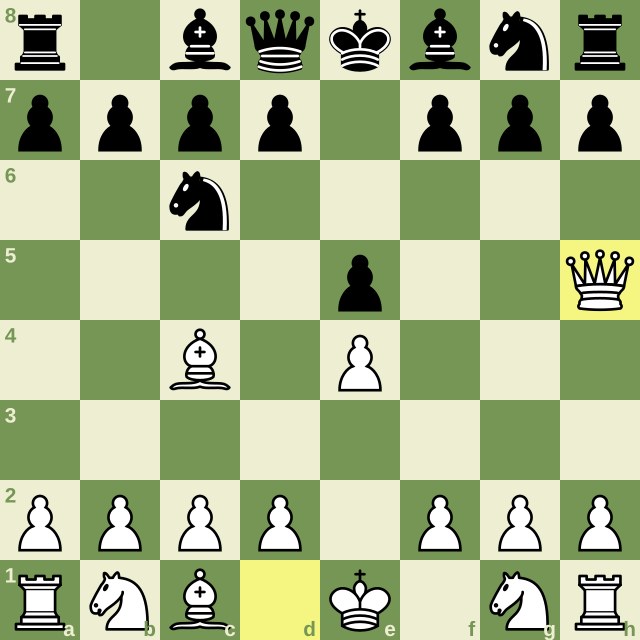
- Played normally
- 48%
- the engine prefers 4…Nxe4
- If they know it
- 39%
- they answer 6.d4
- If they fall in
- 73%
- they play 6.hxg4
Black's chance of winning, Stockfish 18 at depth 22. The opening page.
- Played normally
- 52%
- the engine prefers 3.d3
- If they know it
- 48%
- they answer 3…g6
- If they fall in
- mate
- they play 3…Nf6
White's chance of winning, Stockfish 18 at depth 22.
Scholar's Mate is the smallest gamble of the four. Bringing the queen out on move three gives away a few points of winning chance against a player who blocks with …g6, and against a beginner who plays 3…Nf6 it ends the game on the spot.
What to do with this
Play the free traps whenever the position offers them: you lose nothing and sometimes win a piece or the game. Treat the gambles as what they are. Against players who have not seen them, they win a lot of games quickly; against players who have, you start from a worse position than you needed to. If you are learning, the free ones are also the ones that teach good chess, because the trap move is a good move.
Each line was measured by Stockfish 18 at depth 22. The numbers are the engine's estimate at that depth, not a proof, except where it found a mate; the page on how we check explains what that means.
- The opening pagesEach trap above in its opening, with a board to practise it.
- Opening basicsThe five habits that keep you out of most traps.
- How we checkWhere the numbers come from, and what an evaluation promises.
Sources
- Wikipedia: Elephant Trap
- Wikipedia: Siberian Trap
- Wikipedia: Noah's Ark Trap
- Wikipedia: Englund Gambit
- Wikipedia: Fishing Pole Trap
- Wikipedia: Lasker Trap
- Wikipedia: Légal Trap
- Wikipedia: Blackburne Shilling Gambit
- Stockfish, the engine used for every number
Facts about the news and the games are as reported by the sources above. The engine numbers are this site's own: how we check them.